Proudly serving Mesa
General Contractor Financing Mesa Az
- Itemized pricing, no guesswork
- Built for Mesa's soil and monsoon season
- Permit paperwork handled, not hidden
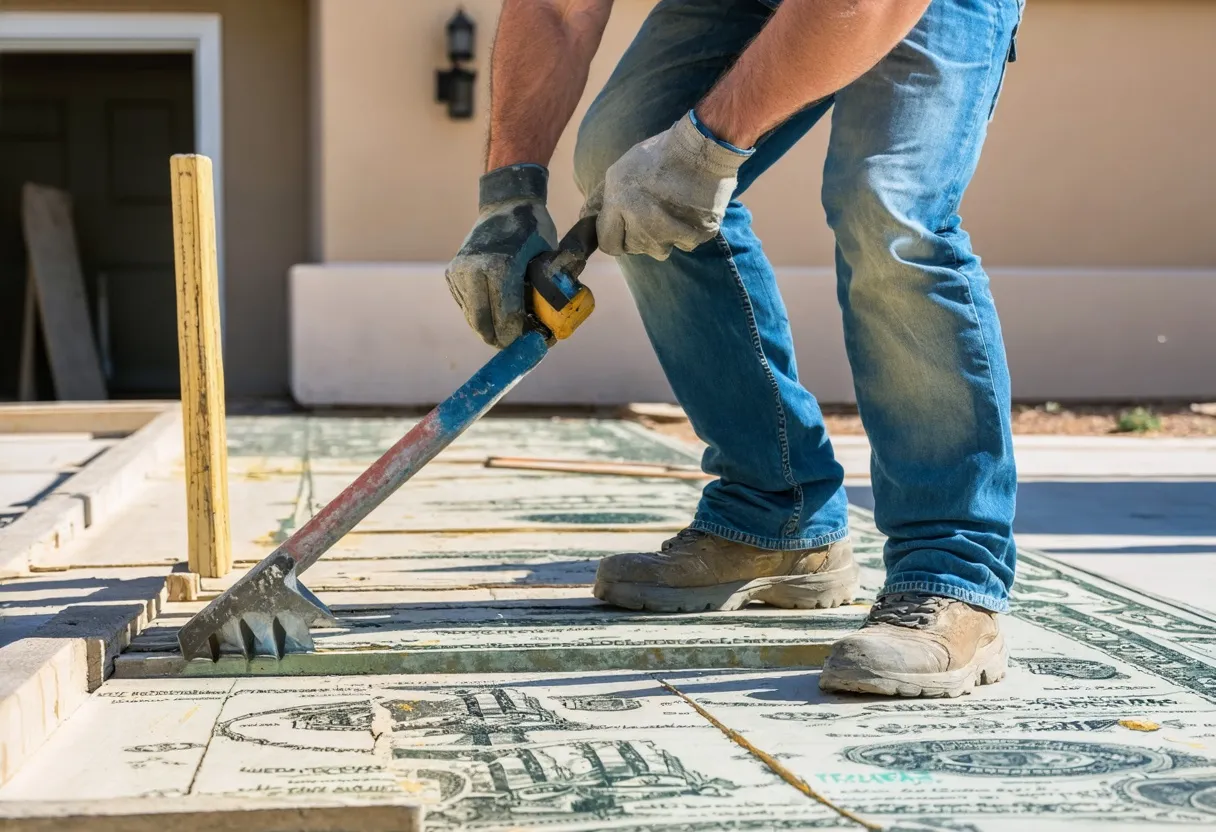
Financing a renovation, addition, or new build in Mesa shouldn't require you to choose between the project you actually want and the payment plan you can live with. General contractor financing in Mesa, AZ gives homeowners a way to move forward on roofing repairs, kitchen and bath remodels, home additions, ADUs, and full custom builds without draining savings or waiting years to save up in cash. This page walks through the financing options available to Mesa homeowners, how the process actually works from application to final draw, what drives the cost of a financed project, and how to avoid the mistakes that trip up first-time remodelers. It also covers the full scope of work a Mesa general contractor should be financing-eligible for, since financing only matters if the contractor behind it is licensed, insured, and building for this climate.
01Why Financing Matters for Mesa Remodels and Builds
Desert-climate homes carry maintenance and upgrade needs that owners in milder markets don't face on the same timeline. Roofing systems, stucco, HVAC, and exterior finishes take a beating from Mesa's arid heat and seasonal monsoon storms, which means roof replacements, water-intrusion repairs, and structural upgrades often arrive as bigger-ticket, less-optional projects than a simple cosmetic remodel. Financing exists so a failing roof, a water-damaged wall, or a family that's outgrown its floor plan doesn't have to wait on a lump sum sitting in a savings account.
A financed project only works, though, if the contractor managing it is transparent about scope, licensed to pull the permits the job actually requires, and itemizing costs so you know exactly what you're borrowing against. That's the gap most financing pages and directory listings leave open — they mention financing as a checkbox and move on. This page treats it as what it is: a real financial decision tied to real construction scope, Arizona Registrar of Contractors (ROC) licensing, and a specific climate.
02Financing Options Available to Mesa Homeowners
There's no single "best" way to finance a remodel — the right option depends on your equity position, credit profile, project size, and timeline. The most common paths Mesa homeowners use include:
- Home equity loans and HELOCs — Borrowing against equity already built up in your home, typically at lower rates than unsecured options, with a HELOC offering a revolving line you draw from as the project progresses.
- Cash-out refinancing — Replacing your existing mortgage with a larger one and taking the difference in cash, often used for larger projects like additions or full remodels when current mortgage rates make sense to reset.
- Unsecured personal loans — Faster to close since there's no home equity underwriting involved, generally used for smaller or mid-size projects like a bathroom remodel or roof repair.
- FHA 203(k) and renovation-specific mortgage products — Loan programs built specifically to combine purchase or refinance with renovation costs into a single mortgage, worth exploring for buyers taking on a fixer-upper.
- Contractor-arranged financing through third-party lenders — Many Mesa contractors partner with lending platforms that let you apply during your estimate appointment, with approval decisions and terms determined by the lender, not the contractor.
- Manufacturer or promotional financing — Some product lines (roofing systems, HVAC equipment, window packages) come with promotional financing offers through the manufacturer, separate from general project financing. Terms, promotional periods, and eligibility vary by lender and by what's currently being offered, so always get the current terms in writing before you sign.
A contractor who's honest about financing will tell you plainly that they don't set your interest rate or approval odds — the lending partner does. What the contractor controls is the project scope, the itemized bid you're financing against, and whether that bid holds up once demolition starts.
03How the Financing and Project Process Works
Financing a project through a general contractor in Mesa generally follows the same sequence, whether you're refinancing a roof or building an ADU from the ground up:
- Initial consultation and free inspection. A reputable contractor should offer a free, no-obligation inspection or estimate visit before any financing conversation happens. This is where scope gets defined — what's actually being repaired, remodeled, or built.
- Itemized written estimate. You should receive a line-item breakdown, not a single lump number. Materials, labor, permit fees, and any structural or code-driven work should each be visible. For a full breakdown of how these line items are typically priced across the Valley, see our Mesa cost and pricing guide before you commit to a number.
- Financing application. If you're using contractor-arranged financing, you'll typically apply through the lending partner directly, either online or during the estimate visit. If you're using a HELOC, cash-out refinance, or personal loan through your own bank or credit union, this step happens independently of the contractor.
- Approval and terms review. Read the terms carefully — rate, term length, any promotional period, and what happens after that period ends. Never sign financing paperwork you haven't fully read, and don't let a sales timeline pressure you into skipping this step.
- Permit filing. For any project requiring permits — additions, ADUs, structural repairs, major electrical or plumbing work — your contractor should file with the City of Mesa before work begins, not after. Ask to see the permit number once it's issued.
- Construction and draw schedule. Larger financed projects are usually paid out in draws tied to construction milestones rather than one lump payment upfront. This protects you as the homeowner — you're not funding work that hasn't happened yet.
- Final walkthrough and inspection sign-off. The job isn't done until it passes final city inspection where required, and you've walked the finished space with your project manager.
A single point of contact — one project manager who owns the job from estimate to final walkthrough — matters more here than most homeowners expect. When financing, permitting, and construction scheduling all touch one project, having it split across multiple uncoordinated subcontractors is where budgets and timelines quietly fall apart.
04What Affects the Cost of Your Financed Project
Every financing conversation starts with an accurate cost estimate, and several factors move that number more than homeowners expect:
- Scope and square footage. A half-bath refresh and a primary suite addition are financed very differently — lenders and contractors both size the loan or line to the actual work.
- Structural and permit-driven work. Additions, ADUs, and load-bearing changes require Mesa permit review and inspections, which adds both time and cost that a cosmetic remodel doesn't carry.
- Material selection. Cabinetry, countertop material, roofing system type, and fixture tier all swing the budget significantly within the same project category.
- Site and access conditions. Older Mesa homes, tight lot access, or existing damage discovered mid-project (a leaking roof deck, deteriorated framing, or outdated electrical) can shift scope once walls or roofing are opened up.
- Climate-driven building choices. Mesa's desert climate means roofing, exterior finishes, and HVAC sizing decisions are made differently than they would be in a milder or wetter market — and cutting corners there tends to show up as a repair bill within a few years, not decades.
- Timeline and labor demand. Peak remodeling season and contractor availability affect quoted timelines, which can indirectly affect financing decisions if you're paying interest during a longer build.
If you want to see how these variables actually translate into dollar ranges by project type, our itemized Mesa pricing breakdown walks through real cost drivers project by project rather than giving you a single vague number.
05What a Financing-Eligible General Contractor Should Cover
Financing only makes sense when it's backing real, licensed work. A full-service Mesa general contractor — the kind worth financing a project through — should be equipped to handle:
Roofing Inspection, Repair, and Replacement
From storm-damage assessments to full tear-off replacements, roofing is one of the most commonly financed projects in Mesa because a failing roof rarely waits for a convenient budget cycle. A proper roofing scope includes a documented inspection, not just a verbal quote.
Kitchen and Bathroom Remodeling
The two most requested remodel categories, ranging from cabinet and countertop refreshes to full gut-and-rebuild projects involving plumbing relocation, electrical upgrades, and structural changes.
Home Additions
Adding square footage — a bedroom, bathroom, or expanded living space — is one of the more complex financed projects because it combines structural work, permitting, and often HVAC and electrical expansion in one scope.
ADU, Casita, and Guest House Construction
Detached accessory dwelling units have become a common financed build in the Valley, whether for aging family members, rental income, or extra living space. These require their own permitting path and utility connections, separate from the main house.
Custom Home Construction
Ground-up custom builds are the largest financing commitment a homeowner makes, and they demand the tightest coordination between lender draw schedules, permit milestones, and construction phases.
Demolition Services
Selective or full demolition ahead of a remodel or rebuild, handled in a way that protects adjacent structures and utilities and clears the way for accurate re-framing.
Fire, Water, and Storm Damage Restoration
Monsoon-season storms and isolated incidents like fires or plumbing failures often require restoration work that insurance and financing both need to move on quickly. Fast, accurate damage assessment is critical here since restoration scope frequently expands once walls or flooring are opened up.
Mold and Asbestos Remediation
Older Mesa properties can carry legacy materials that require certified remediation before remodeling can safely proceed. This work should be documented and cleared before finish work begins, not treated as an afterthought.
24/7 Emergency Response and Same-Day Service
Roof leaks, water damage, and storm-related emergencies don't wait for business hours. A contractor offering genuine 24/7 emergency response and same-day inspection scheduling gives you a faster path to a documented scope — which matters when you're also trying to move quickly on financing or an insurance claim.
06ROC Licensing, Insurance, and Permit Transparency
Before financing a single dollar toward a Mesa project, confirm your contractor holds an active Arizona Registrar of Contractors (ROC) license appropriate to the scope of work, along with current liability insurance. This isn't a formality — it's what protects you if a dispute arises over workmanship, and it's often required documentation for larger financing products. Ask to see the license number directly and verify it rather than taking a website badge at face value.
Permit transparency matters just as much. Any contractor pulling permits on your behalf should be able to tell you, in plain terms, what's being filed with the City of Mesa, why it's required, and roughly how long inspection scheduling will take. If a contractor suggests skipping permits to save time or money on a project that clearly requires them, treat that as a warning sign — unpermitted work can complicate financing, insurance claims, and resale down the road.
07Why Choose a Local Mesa Contractor for a Financed Project
A contractor based in and around Mesa — not a call-center referral service dispatching whoever's available — understands the permit process at Mesa's building department, has relationships with local subcontractors and suppliers, and builds with this desert climate in mind rather than applying a generic national spec. We work with homeowners throughout Mesa and the surrounding East Valley, including Queen Creek, Gilbert, Chandler, and Scottsdale, which means our estimating and scheduling account for the same climate conditions and permitting patterns across the region rather than treating each job as a one-off.
Local presence also matters for accountability. If a financed project runs into a warranty issue or a punch-list item after final walkthrough, you want a contractor with a physical local footprint you can reach — not a name from a lead-generation form. You can review our full range of services and past project examples from our Mesa general contractor home page, including the neighborhoods and project types we've worked across.
08Common Mistakes to Avoid When Financing a Remodel
- Signing financing before getting an itemized bid. A verbal ballpark number isn't something you should borrow against — insist on a written, line-item estimate first.
- Skipping the permit conversation. If your contractor is vague about whether a project needs a permit, get a second opinion before financing moves forward.
- Ignoring the draw schedule. Paying a large portion of a financed project upfront, before work has actually happened, puts you at risk if a contractor underdelivers.
- Not reading promotional financing terms closely. Promotional financing offers can be a great fit, but the terms — what happens at the end of the promotional period, any deferred interest, and what triggers a rate change — need to be read in full, not assumed.
- Choosing financing amount before scope is finalized. Borrowing a round number before your contractor has finalized scope often means either borrowing too little (leaving you short mid-project) or too much (paying interest on money you didn't need).
- Not verifying licensing and insurance before signing anything. This takes minutes and protects the entire financial commitment you're about to make.
09Frequently Asked Questions
Does the general contractor set my financing rate and approval?
No. When a contractor offers financing, they're typically connecting you with a third-party lending partner who underwrites and sets terms. The contractor's job is to provide an accurate, itemized scope for you to finance against — always confirm rate, term, and any promotional conditions directly with the lender before signing.
Can I finance just part of a project, like a roof, separately from a larger remodel?
Yes. Many homeowners finance discrete projects — a roof replacement, a bathroom remodel, a storm-damage repair — independently rather than bundling everything into one loan. Each project should still get its own itemized estimate regardless of how it's financed.
What documentation should I ask for before financing a project?
Ask for the contractor's ROC license number, proof of current liability insurance, a written itemized estimate, and a clear explanation of what permits (if any) the project requires. If restoration or remediation work is involved, ask for documentation of the assessment and any required certifications for that scope.
How does financing work for emergency repairs, like storm or water damage?
Emergency and storm-related repairs typically move faster than a planned remodel — inspection and scope documentation happen quickly, often the same day, so you can move forward with financing or an insurance claim without a long delay. Ask your contractor how quickly they can turn around a written scope for financing purposes.
Do additions and ADUs require different financing than a standard remodel?
They often do, simply because of scope and cost. Additions and ADUs involve permitting, structural work, and sometimes new utility connections, which pushes many homeowners toward home equity or construction-specific loan products rather than smaller unsecured financing options. Your lender can help match the loan type to the project scope.
What happens if the project scope changes after financing is approved?
Scope changes — like discovering damaged framing behind a wall or deciding to upgrade materials mid-project — should be documented in a written change order with updated pricing. Depending on your financing type, you may need to request additional funds or cover the difference separately, so it's worth asking your contractor how they handle change orders before work begins.
10Get an Itemized Estimate and Explore Financing
If you're planning a remodel, repair, or new build in Mesa, start with a free inspection and a written, itemized scope — that's the foundation any financing decision should rest on. Our team serves homeowners at and around E Southern Ave in Mesa, 85209, and throughout the surrounding East Valley, with ROC-licensed crews, transparent permit handling, and construction practices built for this desert climate rather than a generic national template. Reach out to schedule an inspection and walk through financing options that actually fit your project.
Get an Itemized Quote
No pressure, no vague estimates — just a clear breakdown for your Mesa project.
More general contractor services
Ready to See an Itemized Quote?
Get a clear breakdown of costs and permit steps before you decide anything.